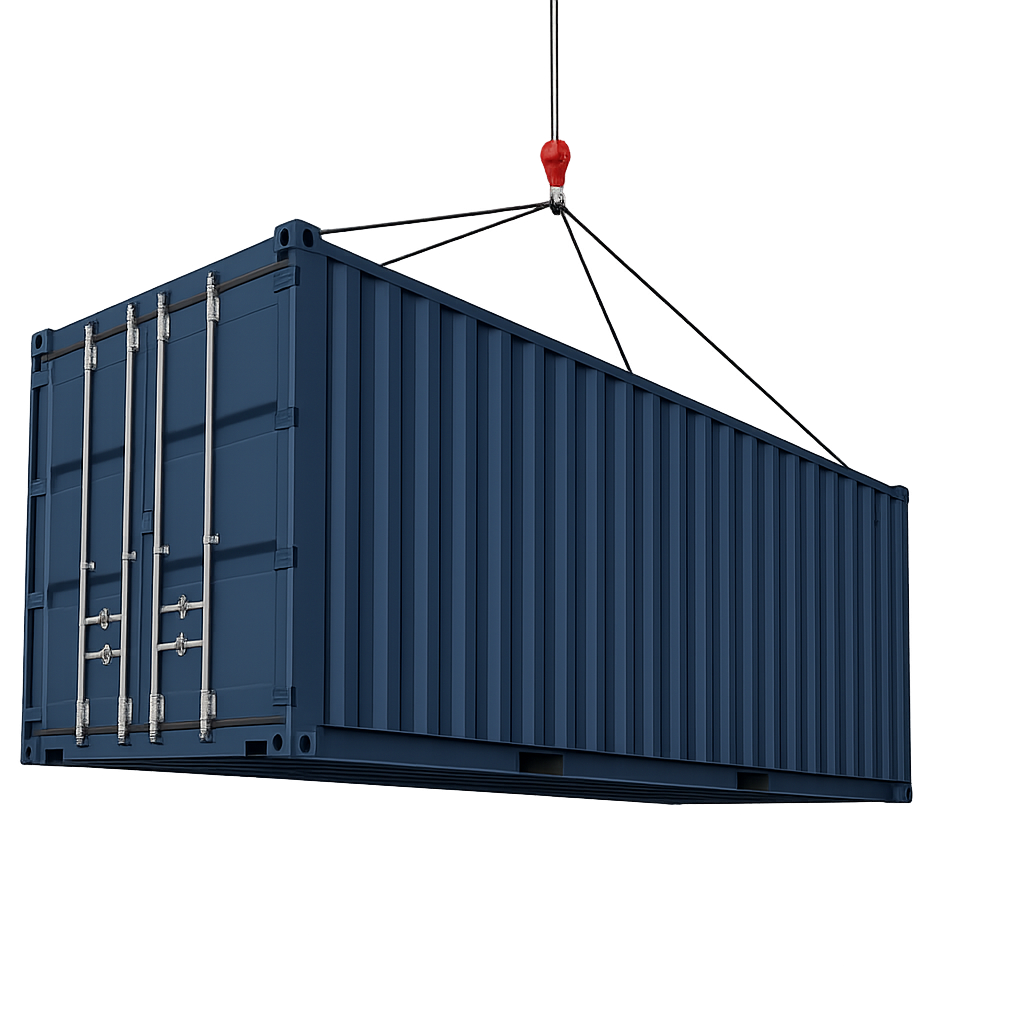
Introduction: The Rising Popularity of Shipping Containers
Shipping containers aren’t just for transporting goods anymore. In 2025, they’re the hottest trend in real estate, commercial innovation, and sustainable living. It’s like watching an underdog take the crown: once overlooked, these sturdy steel boxes are now the foundation for dream homes, businesses, and eco-friendly projects.
Why 2025 is the Perfect Time
If you’re considering investing in a shipping container, 2025 couldn’t be a better year. Why?
For starters, the market is ripe. Post-pandemic lifestyle shifts, housing shortages, and the boom of remote work have pushed people to think outside the (literal) box. Shipping containers offer fast, affordable, and customizable solutions, just what today’s flexible lifestyle demands.
Moreover, advancements in modification technologies mean you can now transform a plain container into a luxurious living space, a trendy café, or even a solar-powered office in half the time and cost compared to traditional construction.
How the Shipping Container Market Has Evolved
Years ago, buying a container felt like diving into unknown waters, with limited vendors, questionable quality, and minimal support. Fast forward to 2025, and it’s a polished market.
Now, specialized companies offer fully customizable options, warranties, financing plans, and even turnkey container homes. Innovation in insulation, smart home tech, and design aesthetics has elevated containers from “industrial chic” to full-on modern luxury.
The shipping container market has matured, and those who hop on now will likely reap the biggest rewards.
Reason #1: Affordable and Cost-Effective Solutions
Money talks, right? Especially when building or buying real estate. Cost efficiency is one of the most powerful reasons to buy a shipping container in 2025.
Compared to traditional homes or commercial spaces, shipping containers are much lighter on your wallet without sacrificing quality.
Comparing Costs to Traditional Structures
Here’s the jaw-dropping reality:
- Average cost of a new shipping container home: $30,000–$60,000.
- Average cost of a traditional home: $300,000–$450,000 (and rising).
- Average time to build a container home: 2-6 months.
- Average time for a traditional home: 12-18 months.
In commercial applications, setting up a pop-up shop, storage facility, or mobile office using containers is a fraction of the cost of brick-and-mortar setups. Plus, modern insulation and energy-efficient upgrades save big on utilities.
Financial Benefits for Businesses and Individuals
Buying a shipping container isn’t just cheap, it’s smart investing.
- Businesses can launch faster, pivot more easily, and reduce overhead costs.
- Homeowners can enter the property market affordably and even build multiple container units for rental income.
- Investors are seeing shipping container parks and communities springing up, offering huge ROI compared to traditional rental properties.
When you run the numbers, it’s clear: containers are not just a cool idea, they’re a strategic move.
Reason #2: Versatility Across Different Uses
What other “building material” gives you the freedom to create a trendy Airbnb, a corner café, an art studio, or a fully off-grid home? Not many.
Shipping containers are insanely versatile, and that’s a massive reason they’re gaining popularity in 2025.
Residential: Tiny Homes, Offices, and Studios
With skyrocketing real estate prices, tiny living is no longer a fringe trend, it’s a movement.
Shipping containers offer the perfect platform for:
- Cozy, minimalist homes
- Remote work offices
- Art studios or personal gyms
- Guest houses or backyard rental units
Thanks to modular designs, you can stack, join, and customize them like giant Lego blocks.
Commercial: Pop-Up Shops, Cafes, and Storage Units
Entrepreneurs are falling in love with shipping containers because they:
- Requires less upfront investment
- Are mobile and scalable
- Attract customers with their unique aesthetic
From coffee shops to fashion boutiques, the coolest businesses today are being launched from upcycled containers.
Industrial: On-Site Storage and Workspaces
In the industrial world, containers provide rugged, secure, and portable spaces for:
- Equipment storage
- Temporary offices on construction sites
- Workshop spaces in remote locations
Their mobility and sturdiness make them perfect for industries that require flexibility and security.
Containers are no longer just “makeshift” solutions, they’re prime real estate in today’s world.
Reason #3: Sustainability and Eco-Friendly Living
If you care about the planet and most people in 2025 do buying a shipping container is an eco-conscious choice.
Reducing Waste by Repurposing Containers
There are millions of unused shipping containers sitting in ports around the world. Repurposing them into homes and offices helps:
- Reduce steel waste
- Minimize the carbon footprint compared to manufacturing new building materials
- Cut down on the environmental impact of traditional construction
Each container you save from rusting away helps the planet breathe a little easier.
Green Building Initiatives and Environmental Benefits
Shipping container projects often tie into broader green initiatives, such as:
- Solar panel installations
- Rainwater collection systems
- Passive heating and cooling designs
- Eco-friendly insulation materials
More and more container buyers are integrating sustainable technologies into their builds, turning what was once “industrial waste” into shining examples of green innovation.
If you dream of living off-grid or minimizing environmental impact, a shipping container could be your ticket to a greener life.
Reason #4: Quick and Easy Customization
Let’s be real, building from scratch is a pain. Months of construction delays, endless permits, and cost overruns can make your dream a nightmare.
Shipping containers change the game with speed and simplicity.
Modular Design Advantages
Containers are essentially modular building blocks:
- Each one is a standardized size (usually 20 or 40 feet)
- They stack easily
- They’re engineered for stability
This modular nature means quicker builds and easier expansion to add more units later. You can go from blueprint to move-in ready in a fraction of the time of traditional builds.
Popular Customization Trends in 2025
Thanks to new tech and design trends, customization options in 2025 are better than ever:
- Smart home automation systems
- Energy-efficient windows and doors
- High-end interior finishes like hardwood floors and granite countertops
- Creative exterior cladding options (wood, metal, greenery)
Companies now offer complete design packages so you can customize a container to suit your needs, style, and budget, all without needing an architecture degree.
Reason #5: Strong Durability and Long-Term Value
One of the unsung heroes of shipping containers is their unmatched durability. These things are built to survive, literally.
They’re engineered to endure months at sea, battered by wind, salt, and storms, carrying heavy cargo across continents.
Built to Withstand Harsh Conditions
A standard shipping container is made of corrosion-resistant Corten steel, designed to:
- Resist rust
- Survive extreme temperatures
- Withstand impacts and harsh weather
That means when you repurpose a container for a home, office, or shop, you’re starting with a rock-solid foundation.
With proper care and minimal maintenance, a container can last 25 to 50 years, longer than many stick-built structures that suffer from water damage, termites, or rot.
Longevity Compared to Traditional Buildings
Traditional buildings often require constant upkeep, roof replacements, pest control, and foundation repairs.
Shipping containers, by contrast, are virtually maintenance-free:
- No major structural repairs
- No worrying about mold or pests
- Minimal upkeep costs
For investors, this means lower ongoing expenses and greater ROI.
For homeowners, it means peace of mind, and more money to spend on the fun stuff.
If you want a tough, reliable, and long-lasting solution, a shipping container is hard to beat.
Bonus Benefits of Buying a Shipping Container
Sure, we’ve covered the five major reasons, but that’s not all! Container ownership offers some amazing bonus perks.
Mobility and Relocation Flexibility
You might want to move your business, or your home one day. Guess what?
Unlike traditional brick-and-mortar buildings, containers are:
- Portable
- Easy to relocate
- Adaptable to new environments
With the right rigging, you can lift your container, move it across town or the country, and set it up with minimal fuss.
This flexibility is priceless for people who value freedom and adaptability.
Minimal Maintenance Costs
As mentioned earlier, containers need little TLC to stay in top shape:
- Occasional rust treatment
- Basic touch-up painting
- Minor sealing around doors and windows
That’s it. It’s a steal compared to thousands in annual maintenance costs for traditional structures.
Especially in 2025, when inflation is hitting maintenance services hard, owning a container offers real financial sanity.
Key Factors to Consider Before Buying
Before you click “Buy Now” on that shiny container, pump the brakes. There are critical factors to think through to avoid rookie mistakes.
New vs. Used Shipping Containers
- New (One-Trip) Containers: Slightly more expensive but almost pristine. Ideal for homes or offices where aesthetics matter.
- Used Containers: Much cheaper, but be wary of dents, rust, or chemical residue from previous cargo.
Choose based on your project needs, and always inspect before purchasing.
Inspection Checklist for Buyers
Whether you’re buying new or used, make sure you:
- Check for visible rust, especially at the corners and base.
- Inspect doors and seals for proper closure.
- Look for major dents that could impact structural integrity.
- Smell for any chemical odors that indicate past hazardous cargo.
If you can’t inspect personally, insist on detailed photos or hire a third-party inspector.
Understanding Zoning and Permit Laws
This one’s crucial:
Before you buy and start building, check local zoning regulations.
Some areas have restrictions on using shipping containers for residential or commercial purposes.
You might need:
- Building permits
- Engineering certifications
- Environmental approvals
Better to find out early than after you’ve dropped a container on your land!
Shipping Container Trends in 2025
As shipping containers become mainstream, trends are evolving fast. Here’s what’s hot in 2025:
Smart Technology Integration
Modern container homes and businesses are getting tech upgrades like:
- Smart locks and security systems
- Solar panels with battery backups
- IoT (Internet of Things) appliances
- App-controlled heating, cooling, and lighting
Containers aren’t just functional, and they’re becoming intelligent living spaces.
Aesthetic Innovations and Designs
Gone are the days of ugly, boxy structures. Designers are transforming containers with:
- Sleek glass façades
- Living walls and rooftop gardens
- High-end interiors rivaling traditional luxury homes
Containers today can look like high-end architectural masterpieces.
They’re not just “good enough” - they’re aspirational.
Where to Buy Quality Shipping Containers in 2025
Finding a reliable source for your container is half the battle. Here’s where to start:
Top Online and Local Sources
- Online Marketplaces: Websites like ContainerOne, Conexwest, and BoxHub offer certified, inspected containers with delivery options.
- Local Dealers: Check your local port cities; many dealers specialize in “one-trip” and refurbished containers.
- Specialty Builders: Some companies now offer turnkey container homes that arrive fully built and ready for hookups.
Always vet the company thoroughly—read reviews, ask for warranties, and get everything in writing.
Tips for Getting the Best Deals
- Buy in bulk: Discounts are often available if you buy more than one.
- Look during slow shipping seasons: More inventory means better prices.
- Negotiate delivery costs: Sometimes, the container price is low, but the delivery fee is inflated. Always bundle delivery into the negotiation.
A little research can save you thousands and ensure you get a container that lasts decades.
Common Mistakes to Avoid When Buying
Buying a shipping container can be a brilliant move—or a complete headache if you don’t tread carefully.
Let’s walk through the major pitfalls you need to sidestep.
Ignoring Structural Integrity
Biggest rookie mistake? Buying a container sight unseen.
Containers may look fine in photos, but could be hiding:
- Corrosion at the base
- Twisted frames from years of abuse
- Chemical contamination from hazardous cargo
Always inspect in person or hire someone to do it for you. If you’re buying online, demand high-resolution, recent photos of all sides, including the roof and floor.
Overpaying Without Research
Shipping containers vary wildly in price depending on:
- Age
- Condition
- Location
- Modifications included
Before you pull the trigger:
- Compare prices across at least three vendors.
- Get quotes for delivery separately (hidden costs alert!).
- Ask if taxes, permits, or site prep fees apply.
Being diligent upfront could save you thousands and lots of headaches.
How to Finance Your Shipping Container Project
Building your dream container project doesn’t have to empty your savings.
There are plenty of financing options tailored for container buyers in 2025.
Financing Options Available
- Personal Loans: Flexible and quick, perfect for smaller projects.
- Home Equity Loans: If you own property, tapping into equity can give you favorable rates.
- Specialized Container Financing: Some companies now offer in-house financing for container homes or businesses.
- Crowdfunding: Passionate about sustainable living or launching a unique business? Crowdfunding platforms like GoFundMe or Kickstarter can help raise funds.
Each option has pros and cons depending on your credit score, project size, and timeline. Shop around for the best terms.
Cost-Effective DIY vs. Professional Services
DIY-ing your container project can save serious cash, but only if you have the skills.
Professional container builders might cost more upfront, but offer:
- Faster timelines
- Code-compliant construction
- Turnkey service
Many buyers mix approaches: hiring pros for structural modifications and finishing the interiors themselves.
Find what works for your skills, time, and budget!
Real-Life Success Stories
Shipping containers aren’t just an idea—they’re changing lives.
From Containers to Dream Homes
Meet Sarah and Jake, a young couple who couldn’t afford skyrocketing home prices.
In 2025, they purchased two used 40-ft containers for under $10,000, spent $60,000 on upgrades, and now live in a solar-powered, 1,200 sq. ft. dream home—with no mortgage.
They even made it Instagram-famous, inspiring thousands to pursue container living.
Businesses Thriving in Shipping Container Spaces
The “BrewBox Café” in Austin, Texas, opened in 2024 inside a repurposed shipping container.
Low startup costs meant the owners could invest more in branding, marketing, and top-quality coffee.
Today, they have four container locations around the city, and zero traditional commercial leases weigh them down.
Shipping containers offer a real pathway to success for individuals and entrepreneurs willing to think creatively.
Conclusion: Is Buying a Shipping Container Right for You?
Shipping containers aren’t just a trendy option but a smart, sustainable, and financially sound investment in 2025.
If you crave:
- Affordability
- Flexibility
- Durability
- Eco-conscious living
- Speedy setup
Then, a shipping container could be your perfect solution.
By avoiding common mistakes, planning thoroughly, and choosing the right customization, you can turn a steel box into a dream home, a thriving business, or a profitable investment.
Don’t just follow trends—lead the way into the future of living and working.
FAQs
1. How long does a shipping container last?
A properly maintained shipping container can last 25 to 50 years. Factors like climate, usage, and upkeep determine its lifespan. Regular rust treatment, painting, and minor repairs can significantly extend its durability.
2. Can shipping containers be insured?
Yes, shipping containers can be fully insured! Insurance policies are available for both container homes and businesses. Coverage typically includes protection against theft, natural disasters, fire, and structural damage, similar to standard property insurance.
3. Are there size options when buying a container?
Definitely. The most common sizes are:
- 20-foot containers (ideal for small homes or offices)
- 40-foot containers (perfect for larger spaces or multi-unit builds). You can also find:
- 10-foot mini containers
- 45-foot high-cube containers (extra height for added space)
Choosing the right size depends on your specific needs and project goals.
4. How much customization is possible with a shipping container?
The possibilities are nearly endless! You can customize shipping containers by adding:
- Doors and windows
- Plumbing and electrical wiring
- HVAC systems
- Second stories and rooftop decks
- Smart home technology
- Solar panels and green roofs
Containers can be tailored to fit your vision, whether you want a simple storage space or a luxury off-grid home.
5. Is it cheaper to build with shipping containers than with traditional materials?
In most cases, yes. Building with containers is faster and usually more affordable, especially for smaller or modular projects. You save on construction time, labor costs, and often materials, making it a budget-friendly choice without sacrificing quality or style.