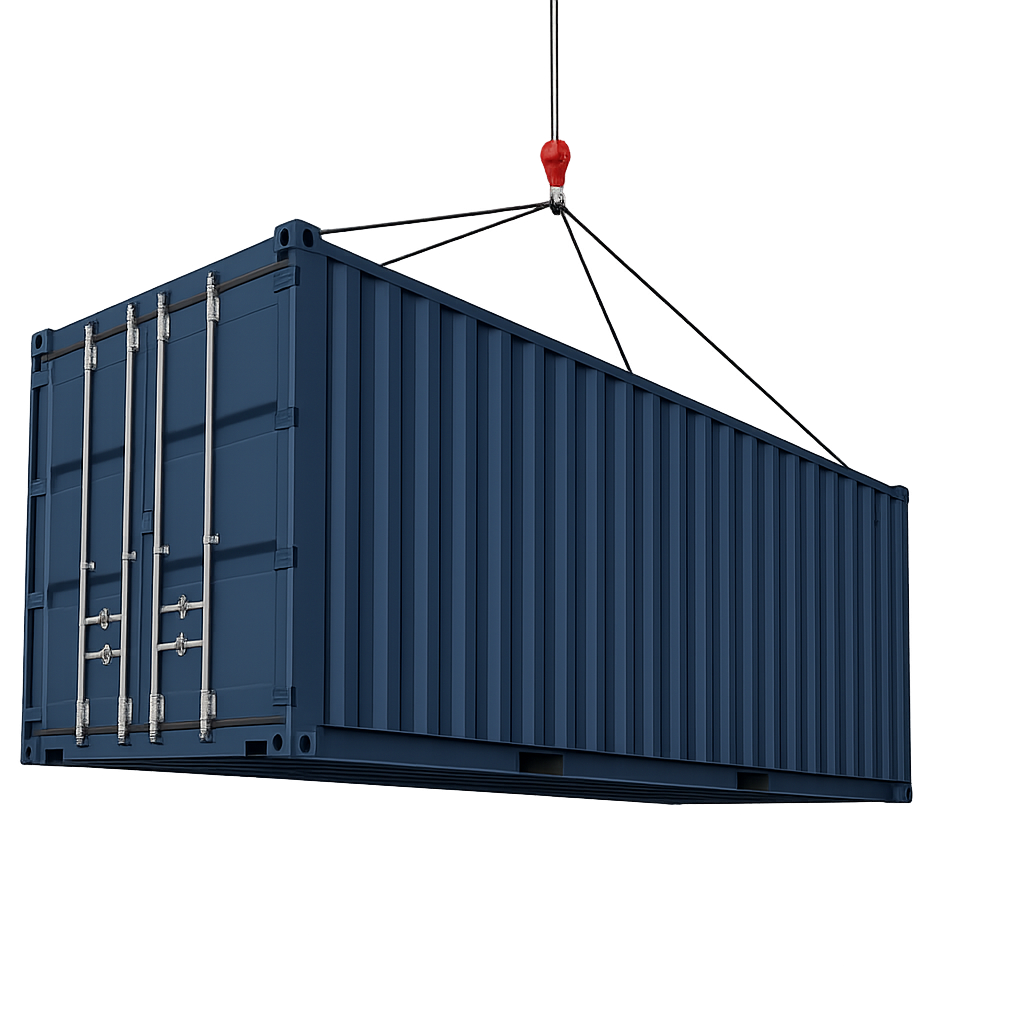
Introduction to Shipping Containers
Shipping containers are no longer just steel boxes floating across oceans or stacked at busy ports. They’ve become incredibly versatile assets for businesses, homeowners, and creative architects alike. Whether you need storage space, a pop-up shop, a cozy tiny home, or even a mobile office, shipping containers offer a strong, flexible foundation.
But here’s the million-dollar question: should you buy a new one or snag a used one? Choosing between a new and used container can feel like picking between a shiny new car or a dependable used one. Each choice has its perks, pitfalls, and perfect fit depending on your specific needs and budget. Let’s dive deep and help you make the smartest decision.
The Rising Popularity of Shipping Containers
In recent years, shipping containers have exploded in popularity, and not just for transport. The trend of upcycling and sustainable construction has made containers trendy for homes, shops, cafes, schools, and even swimming pools. Their solid steel structure, modular nature, and affordability compared to traditional construction methods have made them irresistible.
Think about it, how many tiny homes or pop-up food shops have you seen lately? Most likely, a good number were crafted from repurposed containers. These boxes are not only tough as nails but also provide a blank canvas for endless creative projects. Plus, their portability means you can literally pick up and move your structure if needed.
Common Uses Beyond Shipping
Shipping containers are like the Swiss Army knives of the building world. Here’s a quick list of popular non-shipping uses:
- Storage units: Safe and weatherproof storage for tools, inventory, or personal belongings.
- Offices: Portable site offices on construction or event sites.
- Homes: Full-blown residences, tiny homes, or vacation getaways.
- Retail spaces: Chic pop-up stores and cafes.
- Workshops: Personal or commercial workspaces for creators and craftsmen.
- Emergency shelters: Quick, durable solutions in disaster-struck areas.
As you can see, the utility of containers stretches far beyond shipping, which makes your choice between new and used even more crucial.
Understanding New Shipping Containers
Choosing a brand-new container often seems like the obvious option, but it comes with its own set of factors to weigh carefully.
What Are New (One-Trip) Containers?
In the shipping world, a “new” container typically isn’t straight from a manufacturing plant to your doorstep. Instead, it’s usually what’s known as a “one-trip” container. That means it was built, loaded once with cargo, shipped overseas, and then sold. Why only one trip? Because it’s a lot more cost-effective for manufacturers and distributors.
One-trip containers are considered “new” because they have minimal wear and tear—basically just whatever minor dings or scuffs they might pick up from that single journey across the globe.
Advantages of New Shipping Containers
Opting for a new container comes with a treasure trove of benefits:
- Top-notch condition: Expect a pristine exterior and interior with minimal blemishes.
- Longer lifespan: New containers will easily last 25 years or more with proper care.
- Better security: Newer containers often come with high-security locks and robust door seals.
- Easier to modify: Fresh steel is easier to cut, weld, and customize without worrying about hidden rust or structural damage.
- Aesthetic appeal: New containers simply look better, shiny, clean, and professional.
For those who prioritize appearances, structural integrity, or intend heavy modifications, a new container is often worth the premium price.
Disadvantages of New Shipping Containers
But, before you sprint to order that gleaming new box, pause for a second. Here are a few downsides to consider:
- Higher cost: New containers can cost 50% to 100% more than used ones.
- Environmental impact: Manufacturing and transporting new containers generate a bigger carbon footprint compared to reusing existing ones.
- Limited availability: In some locations, it might take longer to get a new container delivered compared to a readily available used one.
If your project doesn’t demand a flawless appearance or maximum durability, the extra investment in a new container might not always be necessary.
Diving into Used Shipping Containers
Now, let’s switch gears and talk about the underdog – used containers. These veterans of the sea have a lot to offer if you know what you’re getting into.
What Defines a Used Shipping Container?
A used container is simply one that’s been utilized multiple times in the shipping industry. These containers have traveled thousands of miles, braved rough seas, and survived loading and unloading at countless ports. Naturally, they show signs of wear: rust, dents, scratches, and possibly some repairs.
But don’t let cosmetic flaws fool you. Many used containers are structurally sound and still have years (sometimes decades) of life left in them, especially if properly maintained.
Types of Used Containers (Grade A, B, As-Is)
Used containers typically fall into different grades:
- Grade A (Cargo Worthy): Wind- and watertight, structurally sound, minor cosmetic blemishes.
- Grade B (Wind and Watertight): Good for storage, may not meet shipping standards.
- As-Is: Heavy wear and tear, structural issues possible, sold at deep discounts.
Understanding these grades helps you set realistic expectations and avoid unpleasant surprises.
Advantages of Used Shipping Containers
There are some serious perks to choosing a used container:
- Lower cost: Save hundreds (or thousands) compared to new.
- Eco-friendly choice: Repurposing a container is a green option.
- Faster availability: Used containers are often in stock and ready to ship.
- Character: Let’s be real, those dings and scratches tell a story and add rustic charm.
For projects like storage, rustic-style shops, or budget-friendly homes, a used container can be the perfect fit.
Disadvantages of Used Shipping Containers
Of course, used containers aren’t perfect:
- Potential hidden damage: Rust, dents, and structural fatigue might not be visible at first glance.
- Shorter lifespan: Depending on wear, you might get 10-20 years of use instead of 25+ years.
- Aesthetic limitations: No matter how much you paint, a heavily scarred container may never look “new.”
If durability, appearance, or heavy modifications are key to your project, you’ll need to be extra picky when choosing a used container.
Key Factors to Consider When Choosing
Selecting between a used or new shipping container isn’t just about flipping a coin. It’s about matching the container to your exact needs, budget, and long-term goals. Let’s break it down step-by-step.
Budget and Cost Comparison
Let’s be honest: budget is usually the number one factor for most buyers.
- New Containers: Expect to pay anywhere from $3,000 to $6,000+, depending on size and delivery location.
- Used Containers: Typically priced between $1,500 and $3,000, making them a much more wallet-friendly choice.
That’s a big price gap! If you’re tight on cash or need multiple containers, used units make a lot of financial sense. However, if you view the container as a long-term investment, paying more upfront for a new one might actually save you money over time by avoiding future repair costs.
Also, remember to factor in delivery fees, modifications, and any necessary repairs—especially for used containers, which might need a little TLC.
Intended Use and Purpose
What you plan to do with the container heavily impacts the right choice:
- For Home Construction: New containers are often preferred because they provide cleaner steel, making it easier and safer to modify.
- For Simple Storage: A used container works beautifully. No one cares if your storage shed has a few dents.
- For Retail or Customer-Facing Projects: Opt for new or high-grade used containers. A polished look matters when dealing with customers.
- For Mobile or Moving Offices: A one-trip container offers the best balance of mobility, looks, and durability.
The bottom line is that the more important appearance and longevity are to your project, the more you should consider buying new.
Longevity and Durability
Durability can be the deciding factor for some people.
- New containers often last 25–30 years with minimal maintenance.
- Used containers can still last 10–20 years, depending on their prior use and maintenance history.
If you’re in it for the long haul or you live in a harsh weather zone, investing in a new or “cargo-worthy” used container is smart insurance against future headaches.
Visual and Aesthetic Considerations
In many cases, looks do matter. Whether it’s a trendy cafe, a modern office space, or your dream tiny home, the container’s appearance will play a huge role.
New vs Used: Appearance Matters
- New Containers: Expect minimal dents, fresh paint, no visible rust, and perfect doors that seal tightly. They look clean, professional, and modern.
- Used Containers: You’ll often see fading paint, surface rust, bumps and scrapes, and stickers from previous shipments.
While you can always repaint a used container, you can’t easily erase years of dents and welding repairs. Plus, even if minor, surface corrosion can eventually lead to deeper structural issues if not properly treated.
Pro Tip: If you need your container to represent your brand, serve as a visible storefront, or look stunning in your backyard, going new—or investing in serious refurbishment—is well worth the extra bucks.
Environmental Impact and Sustainability
In today’s eco-conscious world, sustainability isn’t just a nice bonus-it’s a major buying factor for many people.
Repurposing Used Containers for a Greener Planet
Choosing a used shipping container is one of the best eco-friendly moves. You’re giving an old container a second life instead of letting it rust away or scrapping it for steel.
- Reduced Carbon Footprint: Manufacturing new steel is energy-intensive and contributes to greenhouse gas emissions.
- Waste Reduction: Upcycling old containers keeps tons of steel out of landfills.
- Sustainable Construction: Many “green” building initiatives promote container homes as a sustainable solution to housing needs.
While shiny and perfect, new containers come at an environmental cost due to production and transportation impacts. So, if sustainability is important to you, used containers are the clear winner.
Real Talk: Want to feel good about your purchase and make a smart financial move? Go used. Mother Nature will thank you!
Maintenance Requirements
Maintenance isn’t something most buyers think about at first, but trust me, it becomes a major issue down the line.
Caring for New vs Used Containers
New Containers:
- Require minimal maintenance early on.
- You’ll mostly need to do periodic inspections, simple cleaning, and perhaps repainting after several years.
- Door seals and locking mechanisms will be in prime condition for a long time.
Used Containers:
- Demand more attention from day one.
- Rust patches need treating as soon as possible to prevent spread.
- You’ll likely need to reseal the roof, replace weatherstripping, and repaint sooner than with a new container.
Maintenance Tip: Always elevate containers slightly off the ground using railroad ties, concrete piers, or steel beams to prevent moisture buildup and rust from underneath.
Choosing a new container might save you the headache (and money) of intensive maintenance early on, especially if you live in a humid or coastal climate where rust is a bigger threat.
Customization Opportunities
One of the coolest things about shipping containers is how customizable they are. Whether you dream of a boutique coffee shop or a slick mobile office, new and used containers can become just about anything you imagine.
Modifications and Upgrades for Both Types
Both new and used containers offer tons of customization options:
- Windows and Doors: Cut-outs for standard or custom doors and windows.
- Electrical Systems: Full wiring for lighting, outlets, and internet.
- Insulation and Climate Control: Spray foam, HVAC systems, or simple wall insulation.
- Interior Finishing: Drywall, wood panels, or metal finishes for a polished look.
- External Additions: Decks, staircases, shading structures.
New Containers:
- Easier to modify because the steel is fresh and has fewer hidden weak points.
- Cosmetic perfection makes adding glass walls or high-end finishes look seamless.
Used Containers:
- We might need extra prep work, treating rust and reinforcing weak areas before modifications.
- However, many people find beauty in the weathered, rugged look.
Fun Fact: Some designers even highlight the dents and scratches in used containers to create industrial-chic aesthetics that new containers can’t naturally offer!
Buying Tips and Red Flags to Watch For
Choosing the right container can feel like navigating a maze. Here’s how to avoid expensive mistakes.
What to Inspect Before Buying a Container
When shopping for containers, especially used ones, inspect carefully:
- Rust and Corrosion: Surface rust is normal; deep corrosion is bad news.
- Door Functionality: Make sure doors open, close, and seal tightly.
- Floor Condition: Check for soft spots, warping, or damage.
- Roof Damage: Look for dents or pooling areas where water can sit.
- Structural Integrity: No major bends, large cracks, or welding failures.
Pro Tip: Always try to see the container in person before buying, or ask for detailed photos if purchasing remotely. Reputable sellers will happily provide lots of images or even video walkthroughs.
Also, ask about the container’s history: containers used to ship hazardous materials may not be suitable for residential or food-related projects.
Where to Buy Shipping Containers
Not all container sellers are created equal. Choosing a trusted source makes all the difference.
Trusted Sources for New and Used Containers
Here’s where to look:
- Local Dealers: Visit local suppliers so you can inspect containers before making a purchase.
- Certified Resellers: Look for companies specializing in refurbished containers and offering warranties.
- Shipping Lines: Some shipping companies sell off their own used containers directly.
- Online Marketplaces: Platforms like Craigslist, eBay, and Facebook Marketplace can offer deals, but proceed cautiously.
- Container Yards: Major port cities often have yards filled with containers for sale at competitive prices.
Warning: Watch out for scams, especially online. If the price seems too good to be true, it probably is. Legitimate dealers won’t ask for full payment upfront without providing references, documentation, or a chance to inspect.
Final Verdict: Which Is Right for You?
Ultimately, the choice between new and used comes down to your priorities.
If you need pristine looks, long-term durability, or plan heavy modifications, buy new. It’s an investment that pays off over decades.
If you prioritize saving money, environmental sustainability, or you love that rugged industrial look, used containers are the way to go.
There’s no one-size-fits-all answer, but with the right knowledge and a bit of smart shopping, you’ll end up with a container that perfectly fits your needs, and maybe even your dreams.
Conclusion
Choosing between a used and a new shipping container isn’t just a financial decision, it’s about envisioning your future project. Whether you’re building a backyard shed, a dream home, or a bustling coffee shop, your container is the foundation for everything to come.
New containers give you the assurance of top-tier quality and a fresh start. Used containers, meanwhile, offer savings, sustainability, and plenty of personality. Whatever you choose, remember: it’s not just a box. It’s the beginning of something amazing.
Shop smart, inspect carefully, and invest in your vision you’re building more than a structure; you’re building possibilities.
FAQs
Are used containers safe for homes or offices?
Yes! As long as they’re structurally sound and properly modified, used containers are perfectly safe for living and working spaces. Always verify the container’s history and condition first.
How long do used containers typically last?
With good maintenance, a used shipping container can easily last 10 to 20 years or more. Regular rust treatment and roof inspections extend its life significantly.
Can you repaint a used container to look new?
Absolutely! With a good power wash, rust treatment, primer, and a high-quality exterior paint job, a used container can look almost brand new.
What’s the best way to ensure I’m getting a good deal?
Inspect the container in person if possible, check for rust, leaks, and structural issues, and buy from a reputable dealer who offers warranties or clear return policies.
Is it cheaper to modify a used container or buy new with customizations?
Generally, it’s cheaper to modify a used container. However, if heavy modifications are needed, sometimes starting with a new container can actually be more cost-effective in the long term.